November 21, 2026
Electrical fires represent one of the most destructive hazards a homeowner can face. Because most residential wiring remains hidden behind drywall, floorboards, and ceilings, deteriorating components and dangerous overloads frequently go unnoticed until disaster strikes. According to the Electrical Safety Foundation, home electrical fires start about 51,000 fires per year, leading to extensive property destruction, serious injuries, and tragic loss of life. Fortunately, electrical systems rarely fail without warning. Recognizing subtle red flags early empowers you to take decisive action before a small wiring defect evolves into an uncontrollable blaze. Protecting your household requires understanding how modern electrical demands interact with your infrastructure and knowing when minor performance quirks point toward critical fire hazards.
Identifying Frequently Tripping Circuit Breakers
Circuit breakers act as the vital first line of defense within your electrical infrastructure. Engineered to halt current flow when electrical loads exceed safe thresholds, breakers prevent conductors from overheating and igniting building materials. While an occasional tripped breaker after powering on a high-draw appliance is normal, chronic tripping signals an unsafe operating environment. Frequent breaker trips commonly occur due to overloaded branch circuits, dead shorts, or dangerous ground faults hidden within wall cavities. Continually resetting a breaker without investigating why it tripped is a hazardous gamble that degrades the mechanism itself. When switches shut off repeatedly, scheduling an assessment from a qualified electric repairman service ensures that the underlying fault is diagnosed and corrected before thermal stress permanently damages wiring insulation.
Inspecting Warm or Discolored Wall Outlets
Electrical outlets, switches, and faceplates should always remain cool to the touch regardless of how long appliances remain plugged in. If you touch a switch plate and discover noticeable warmth, vibration, or localized discoloration, your electrical system is under severe thermal duress. Black, brown, or yellowish scorching around receptacle slots indicates dangerous arcing, loose terminal screws, or severe component degradation. When contact points inside a receptacle loosen, electrical current jumps across microscopic gaps, generating intense heat capable of charring plastic faceplates and igniting timber framing. If you observe physical darkening or heat buildup, immediately discontinue using that receptacle and unplug connected devices. Calling a trusted electric repairman service should be your immediate next step to replace the compromised box and verify conductor integrity.
Investigating Persistent Flickering and Dimming Lights
Lighting anomalies are frequently dismissed as harmless aesthetic quirks or the result of loose bulbs, but widespread flickering or dimming often points to systemic electrical issues. When lights throughout a room dim whenever an air conditioner, refrigerator compressor, or microwave cycles on, your electrical panel is likely struggling to manage heavy loads. More alarmingly, sporadic flickering isolated to specific fixtures frequently stems from loose wire connections or failing junction points hidden behind ceilings. These loose connections introduce fluctuating resistance, creating intense hot spots within structural framing. Rather than ignoring persistent lighting fluctuations, contacting an experienced electric repairman service will help you determine whether your circuits are dangerously overloaded or suffering from degraded connections that jeopardize home safety.
Detecting Acrid Burning Odors and Smells
One of the most urgent warning signs of imminent electrical combustion is an unmistakable acrid odor reminiscent of burning plastic, fish, or melting rubber. Electrical wire insulation and modern outlet casings release pungent chemical aromas when exposed to extreme heat. Because electrical fires frequently smolder inside enclosed walls long before visible smoke breaks through drywall, your sense of smell serves as an invaluable early warning system. Never disregard a mysterious burning scent, particularly if you cannot locate an obvious cooking source. When acrid odors emerge from walls or panels, an emergency electric repairman service is necessary to uncover melting insulation, locate hidden heat blooms, and resolve the hazard before open flames ignite structural framing.
Noting Unusual Buzzing and Sizzling Sounds
Under standard operating conditions, residential electrical systems operate in near-total silence. While a faint hum can sometimes be heard near large electrical transformers, loud buzzing, hissing, popping, or crackling coming from outlets, switches, or breaker boxes is abnormal. These acoustic anomalies are classic auditory indicators of electrical arcing. Arcing occurs when an electrical current violently jumps across an unintended air gap between loose, corroded, or broken conductors. The temperature of an electrical arc easily surpasses several thousand degrees Fahrenheit, instantly vaporizing insulation and sparking nearby wood studs. Because hidden arcing generates intense heat behind drywall, relying on an established electric repairman service prevents catastrophic wall fires by tightening mechanical connections, rebuilding broken terminals, and replacing damaged circuit breakers.
Evaluating Outdated and Deteriorating System Wiring
Aging infrastructure remains a leading contributor to residential fire disasters across older neighborhoods. Homes built several decades ago were never designed to support modern household power demands, including home theaters, electric vehicle chargers, heat pumps, and numerous electronic devices. Properties constructed before the late 1940s often still conceal knob-and-tube wiring, which lacks a grounding conductor and relies on cloth insulation that degrades and flakes away over time. Similarly, homes built during the 1960s and 1970s may feature aluminum branch wiring, which expands and contracts significantly more than copper, causing connections to loosen over time. Upgrading legacy wiring requires the specialized knowledge of a qualified electric repairman service capable of modernizing infrastructure, eliminating obsolete materials, and bringing your property into compliance with contemporary safety codes.
Managing Overloaded Circuits and Power Demands
Overloaded circuits represent a rampant hazard in homes where power strips, extension cords, and multi-plug splitters are heavily relied upon to compensate for an inadequate number of outlets. Extension cords are designed strictly for temporary usage; relying on them as permanent wiring solutions creates dangerous points of resistance and heat accumulation. When multiple high-wattage appliances—such as space heaters, toaster ovens, and portable air conditioners—share a single branch circuit, the continuous draw pushes copper wiring past designed thermal limits without triggering an immediate breaker trip. Over time, prolonged thermal abuse bakes surrounding insulation until it crumbles. Consulting an expert electric repairman service allows you to map your household electrical distribution, calculate load requirements accurately, and add dedicated circuits where energy-intensive equipment operates.
Checking Damaged Receptacles and Sparking Plugs
Plugging an appliance into an electrical receptacle should be a smooth, uneventful interaction. If inserting or removing a cord yields a visible flash or shower of sparks, you are observing an active electrical hazard. While a tiny static spark when connecting an active appliance can occasionally occur, large yellow or blue sparks indicate severe terminal looseness, short circuits, or moisture inside the receptacle box. Furthermore, loose outlets that allow plugs to slide out under their own weight expose live metal prongs to dust and debris, creating severe shock and fire dangers. Faulty receptacles must be retired immediately. A licensed electrician can promptly replace worn outlet assemblies, install modern tamper-resistant devices, and verify that proper grounding pathways are established throughout the branch circuit.
Scheduling Routine Professional Safety Inspections
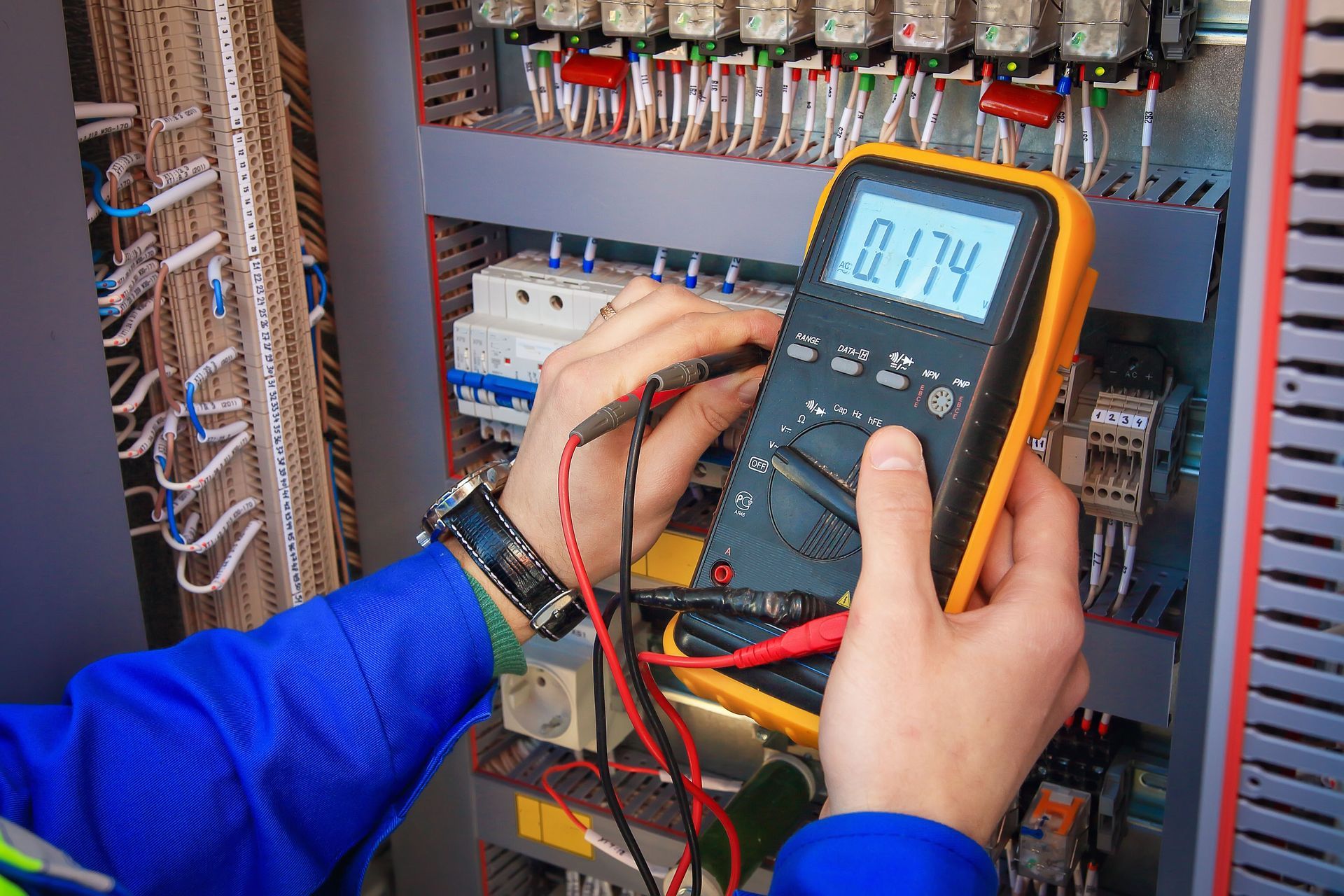
Proactive maintenance remains the single most effective way to shield your residence against devastating electrical disasters. Rather than waiting for warm switches, popping sounds, or persistent breaker malfunctions to disrupt your routine, scheduled evaluations identify hidden vulnerabilities before they manifest as hazards. Certified technicians utilize advanced diagnostic tools, including thermal imaging cameras and circuit analyzers, to inspect panels, meter bases, surge protectors, and branch circuits without invasive demolition. Investing in a dependable electric repairman service provides peace of mind that your family and property remain fully protected against hidden electrical hazards and system fatigue. Ensure your home is protected by prioritizing comprehensive preventive care. For superior craftsmanship, reliable diagnostic assessments, and top-tier residential electrical solutions, contact Jeske Electric Inc today to schedule your comprehensive safety inspection.