November 7, 2026
Electrical grids worldwide face growing pressure from shifting load demands, extreme weather patterns, and the continuous integration of decentralized renewable energy. When utility transmission networks destabilize, transient voltage disturbances inevitably cascade through distribution pathways. For facilities and homeowners relying on continuous backup power, ensuring your electric generator can withstand grid surges is no longer just a technical precaution- it is an operational necessity. Without adequate protection, sudden voltage spikes can incapacitate critical backup systems precisely when primary power fails, leading to catastrophic disruption and expensive repairs.
Understanding the Mechanics of Modern Grid Surges
Grid surges represent sudden, dramatic voltage increases that propagate through electrical transmission lines within fractions of a second. These transient disturbances stem from a wide variety of systemic triggers, ranging from direct lightning strikes and utility capacitor bank switching to rapid load rejections in heavy industrial zones. As modern infrastructure expands and industrial electrification intensifies, power networks face unprecedented baseline strain. According to the U.S. Energy Information Administration, U.S. electricity use is expected to grow by 1% this year and 3% in 2027. This steady upward trajectory in consumption tightens operational margins for regional transmission networks, creating volatile operating conditions that frequently trigger transient spikes. When localized demand shifts abruptly or automated grid switches redirect high-voltage feeds, downstream connections absorb severe electrical shockwaves.
Examining How Voltage Spikes Damage Power Systems
When severe electrical fluctuations infiltrate an electrical distribution setup, an unprotected electric generator faces severe thermal and mechanical stresses. Transient overvoltages force immense current through pathways designed for balanced loads, sparking immediate heat buildup within conductors. Beyond immediate operational tripping, these events introduce microscopic punctures in insulation and structural degradation within delicate internal assemblies. Prolonged exposure to recurring micro-surges gradually compromises copper windings, degrades dielectric fluids, and leads to premature mechanical breakdown. The financial ramifications extend far beyond the replacement of broken physical parts; unplanned operational downtime, disrupted computing environments, and compromised safety systems during outages often lead to catastrophic fiscal losses.
Identifying Critical Internal Components at Risk
Understanding where power equipment fails requires examining the delicate subsystems operating beneath the protective housing of a standby unit. Today's commercial and residential power equipment relies heavily on sophisticated microprocessor controls and sensitive circuitry:
- Electronic Control Modules (ECMs): The digital control boards that govern automated starting, system synchronization, and safety shutdowns are exceptionally sensitive to voltage transients. Even moderate voltage spikes can burn out microprocessors, scramble memory parameters, or corrupt control firmware, leaving the entire system stranded.
- Alternator Windings and Insulation: The physical coils responsible for electromechanical conversion bear immense electrical stresses during backfed surges. A single voltage surge can breach thin enamel insulation layers, causing phase-to-phase shorts that require complete component rewinding.
- Automatic Voltage Regulators (AVRs): These delicate devices constantly regulate system output to protect connected facility equipment. When utility transients hammer the AVR, damaged sensing circuitry can cause unstable output, surging or collapsing voltage delivery across downstream building circuits.
- Power Output Circuitry and Contactors: Heavy-duty relays and primary terminal connections endure intense electrical arcing during transient spikes, which can pit metallic contact surfaces and create localized hot spots.
When any of these critical subsystems within an electric generator degrade, the entire emergency power infrastructure becomes an unpredictable liability.
Assessing Operational Differences Across Equipment Configurations
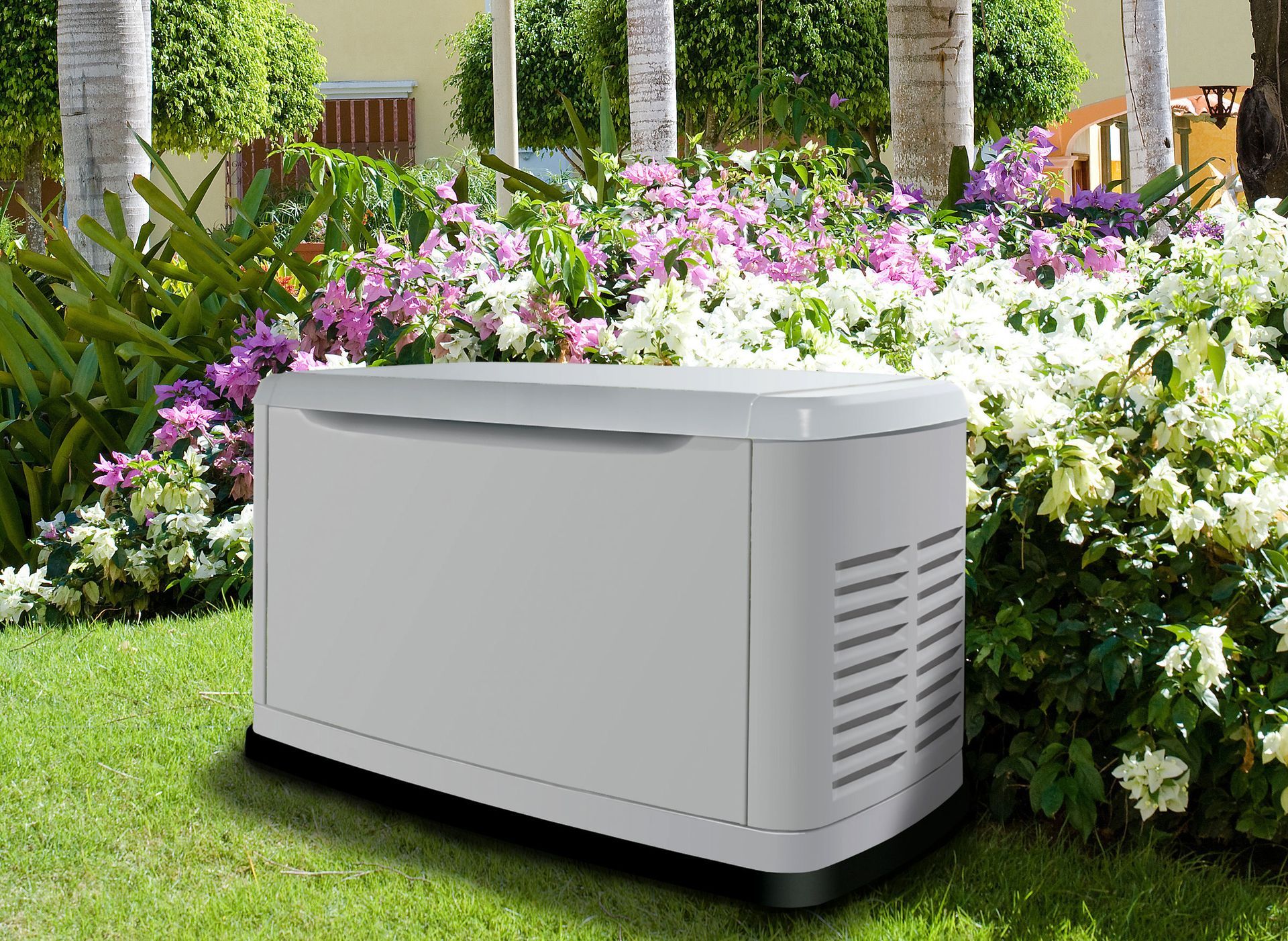
The severity of surge impact varies significantly based on system architecture, fuel delivery mechanisms, and alternator construction. For example, comparing how a diesel-powered unit behaves against a natural gas electric generator reveals distinct electrical vulnerabilities. Natural gas configurations frequently integrate complex electronic ignition modules, fuel solenoids, and electronic governing valves that react poorly to unexpected electrical noise and voltage spikes. Conversely, heavy industrial diesel setups often feature heavier flywheels and robust mechanical governors, yet their advanced common-rail electronic injection controllers remain just as susceptible to surge-induced failure. Meanwhile, hybrid installations that couple battery energy storage systems with prime power units introduce bidirectional power inverters, which must handle dynamic transients moving in both directions between grid connections and inverter banks.
Exploring Advanced Protective Technologies and Hardware
Shielding critical power assets against devastating transients requires deploying multi-layered electrical protection architectures. Passive safety switches alone cannot respond quickly enough to intercept millisecond-duration voltage transients:
- Type 1 and Type 2 Surge Protective Devices (SPDs): Modern high-capacity SPDs employ high-density metal oxide varistors (MOVs) and silicon avalanche diodes to clamp dangerous overvoltages. Diverting excess current harmlessly into grounding networks within nanoseconds, these devices ensure that the electric generator remains isolated from destructive line disturbances.
- Advanced Electronic Breakers: Intelligent solid-state circuit breakers leverage high-speed digital sampling to isolate faulty utility feeds before damaging transients reach sensitive power electronics.
- Transient Voltage Surge Suppressors (TVSS): Dedicated suppression hardware positioned directly adjacent to generator control panels captures transient noise generated by internal switching gear or utility transfer cycles.
Implementing such hardware establishes an impermeable electrical barrier between vulnerable components and volatile municipal grids.
Evaluating the Surge Resilience of Current Equipment
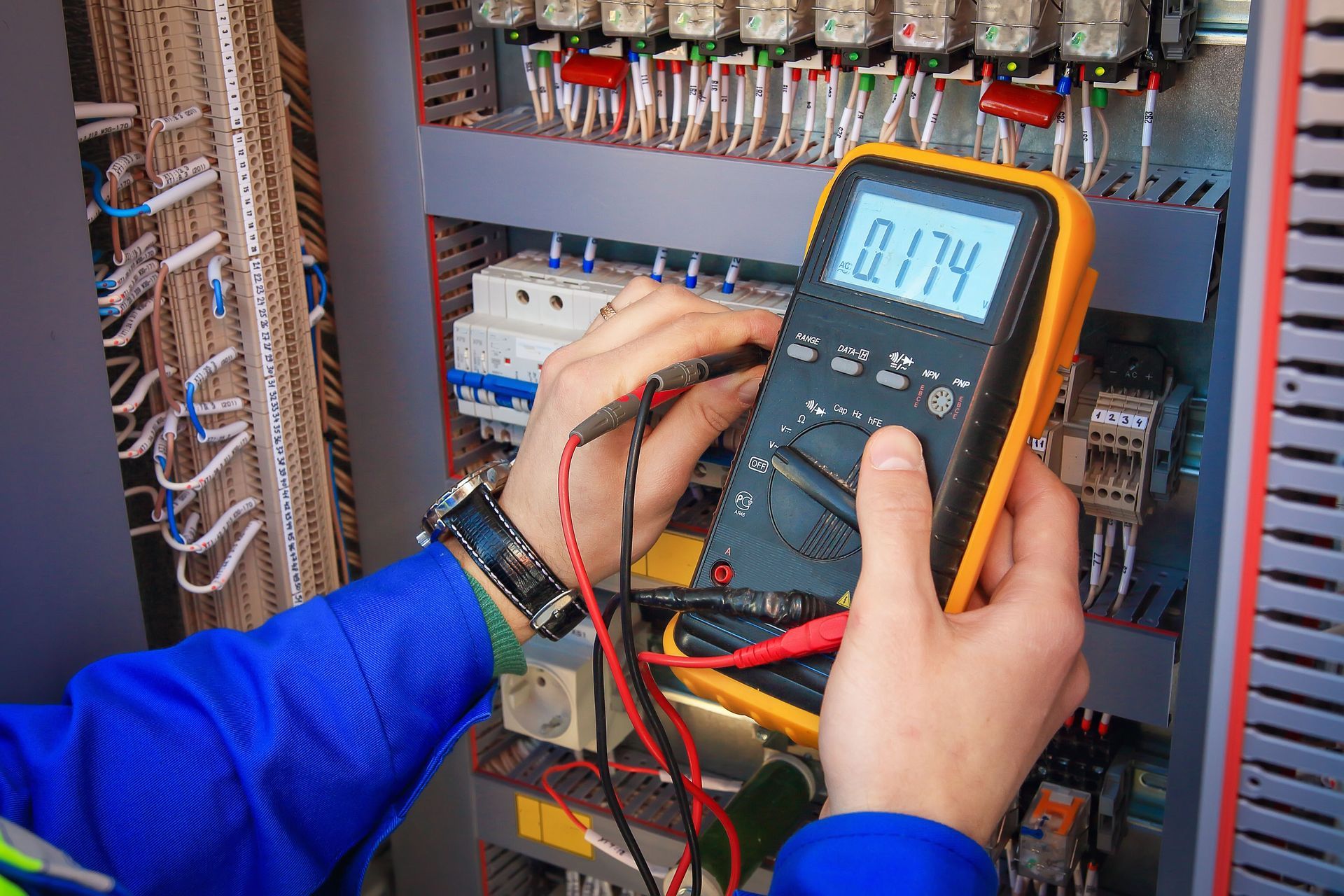
Before investing in major electrical overhauls, facility managers and homeowners must execute thorough operational diagnostics on their existing power configurations. A proper risk assessment begins with analyzing local utility stability, seasonal thunderstorm prevalence, and regional transformer health. Technicians must conduct baseline insulation resistance tests, commonly known as megohmmeter testing, to determine whether the current-winding insulation inside an electric generator has already begun to degrade due to previously unnoticed surges. Furthermore, evaluating grounding electrode resistance is paramount, as even the best surge arrestor cannot function if the grounding pathway exceeds recommended resistance thresholds. Regular reviews of manufacturer warranty stipulations also clarify whether surge damage is covered or explicitly excluded without third-party suppression equipment installed.
Implementing Strategic Upgrades and Protective Measures
Once system vulnerabilities are identified, executing targeted hardening measures dramatically extends system reliability. Rather than waiting for total system failure, proactively retrofitting older components ensures that each electric generator handles transient voltage fluctuations effortlessly. Upgrading legacy automatic transfer switches (ATS) with integrated surge suppression provides immediate defense during the critical transition phase when utility power fails. Additionally, isolating sensitive microprocessor controls onto dedicated surge-filtered uninterruptible power supply (UPS) circuits eliminates voltage noise during high-stress transfers. Routine physical inspections, coupled with periodic thermal imaging of terminal blocks and circuit breakers, uncover loose connections or thermal abnormalities before catastrophic failures materialize during an emergency.
Calculating the Financial Return of Mitigation Investments
Investing in comprehensive electrical surge mitigation offers definitive financial returns by preventing costly equipment turnover and protracted business interruptions. Evaluating the true cost-benefit ratio requires contrasting modest initial investments in protective hardware against the catastrophic costs of unplanned downtime. For commercial enterprises, the loss of cold storage, data processing continuity, or healthcare monitoring during an outage dwarfs the cost of installing advanced SPDs. Furthermore, the total capital cost of replacing a compromised electric generator often includes emergency freight, heavy crane rentals, and expedited electrical re-certification. Proactive mitigation not only preserves capital assets but also helps negotiate lower commercial property insurance premiums by demonstrating operational resilience.
Securing Professional Guidance for Long-Term Reliability
Safeguarding valuable power generation assets against volatile utility behavior demands specialized engineering knowledge and precise electrical implementation. Certified technicians evaluate line loads, harmonic distortion, and local grounding conditions to engineer holistic protection schemes tailored to specific facilities. Maintaining electrical integrity ensures continuous power flow when municipal transmission lines falter under environmental or operational strain. Protect your investment, safeguard your critical circuits, and verify the resilience of your backup systems by partnering with the trusted professionals at Jeske Electric Inc today.