October 21, 2026
Choosing the right location for an electric vehicle (EV) charger involves more than finding an open space near your parking spot. Homeowners must consider convenience, electrical capacity, weather exposure, safety, and future charging needs. The placement of a charger can affect how easily drivers connect their vehicles, how well the equipment is protected from the elements, and whether the existing electrical system can support reliable charging.
A well-planned installation makes daily charging easier while helping prevent unnecessary electrical modifications later. It can also accommodate changes in driving habits or the addition of another electric vehicle. By evaluating the property's layout and electrical infrastructure before installation begins, homeowners can make informed decisions about where to place their equipment. Understanding these factors helps homeowners choose a location that supports their vehicles, household routines, and long-term charging needs.
Assessing Your Charging Needs
Matching the Charger to Your Vehicle
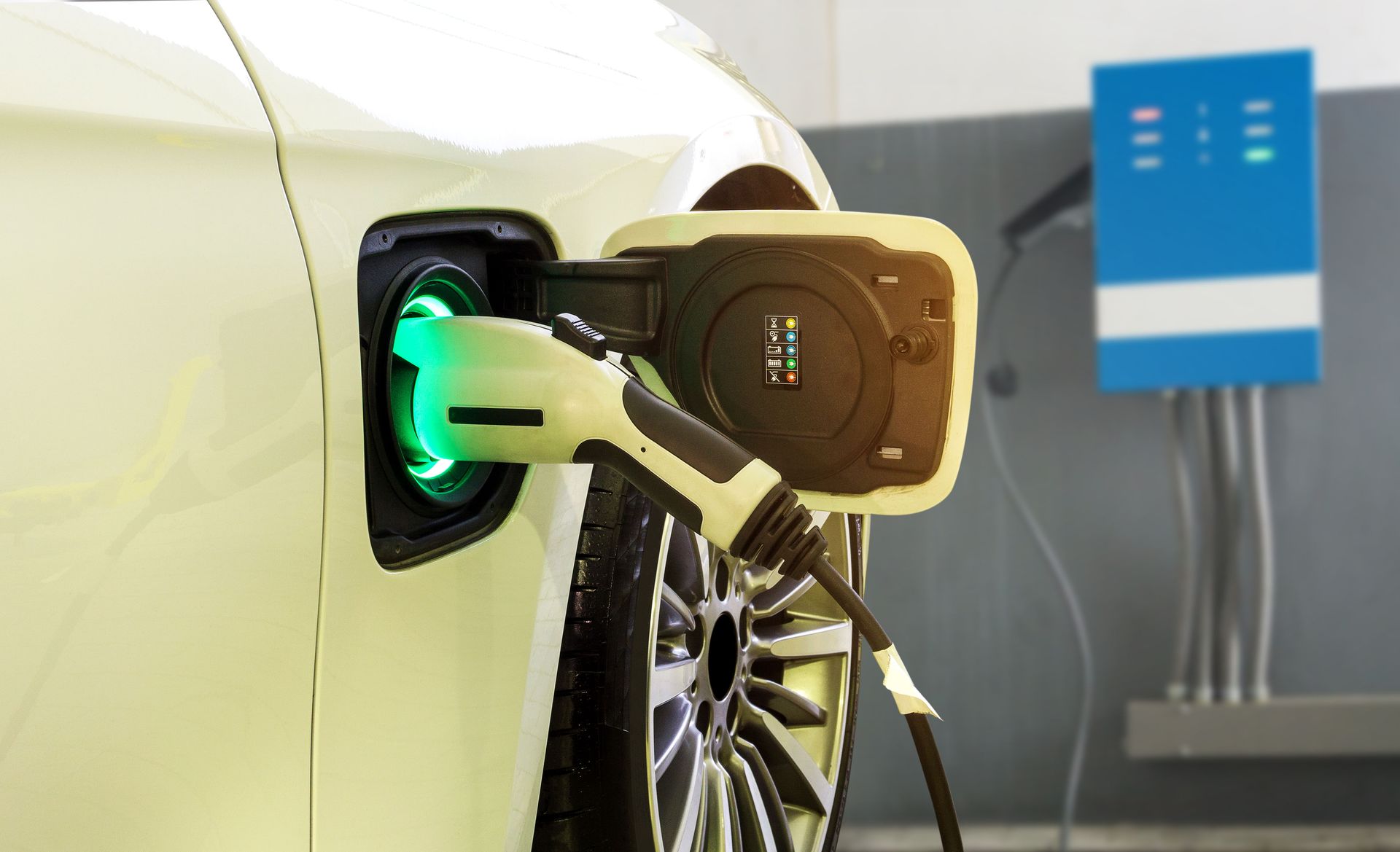
Before selecting an installation location, consider your vehicle's charging requirements. Level 1 chargers use standard household outlets but generally charge vehicles more slowly. Level 2 chargers require a dedicated electrical circuit and can replenish a battery more quickly, making them a practical choice for many daily drivers. Professional EV home charger installation services can help determine which charging option suits your vehicle and available electrical infrastructure.
Planning for Daily Charging Habits
Your driving schedule also influences where a charger should go. Homeowners who commute daily may benefit from a garage or driveway location that allows convenient overnight charging. Drivers who travel less frequently might not require the same charging capacity. Consider how far you typically drive, how often you need to recharge, and whether your vehicle will remain parked in one location for extended periods. These habits can also help an electrician recommend a practical setup through EV home charger installation services.
Preparing for Additional Vehicles
Households expecting to purchase another electric vehicle should consider future charging needs during the initial installation. Two vehicles may require separate chargers, compatible charging equipment, or a system that distributes available electrical capacity between them. Planning ahead can reduce the likelihood of expensive modifications later. An electrician can evaluate whether the home's electrical service can accommodate anticipated demand.
Evaluating Electrical Capacity and Installation Costs
Inspecting the Electrical Panel
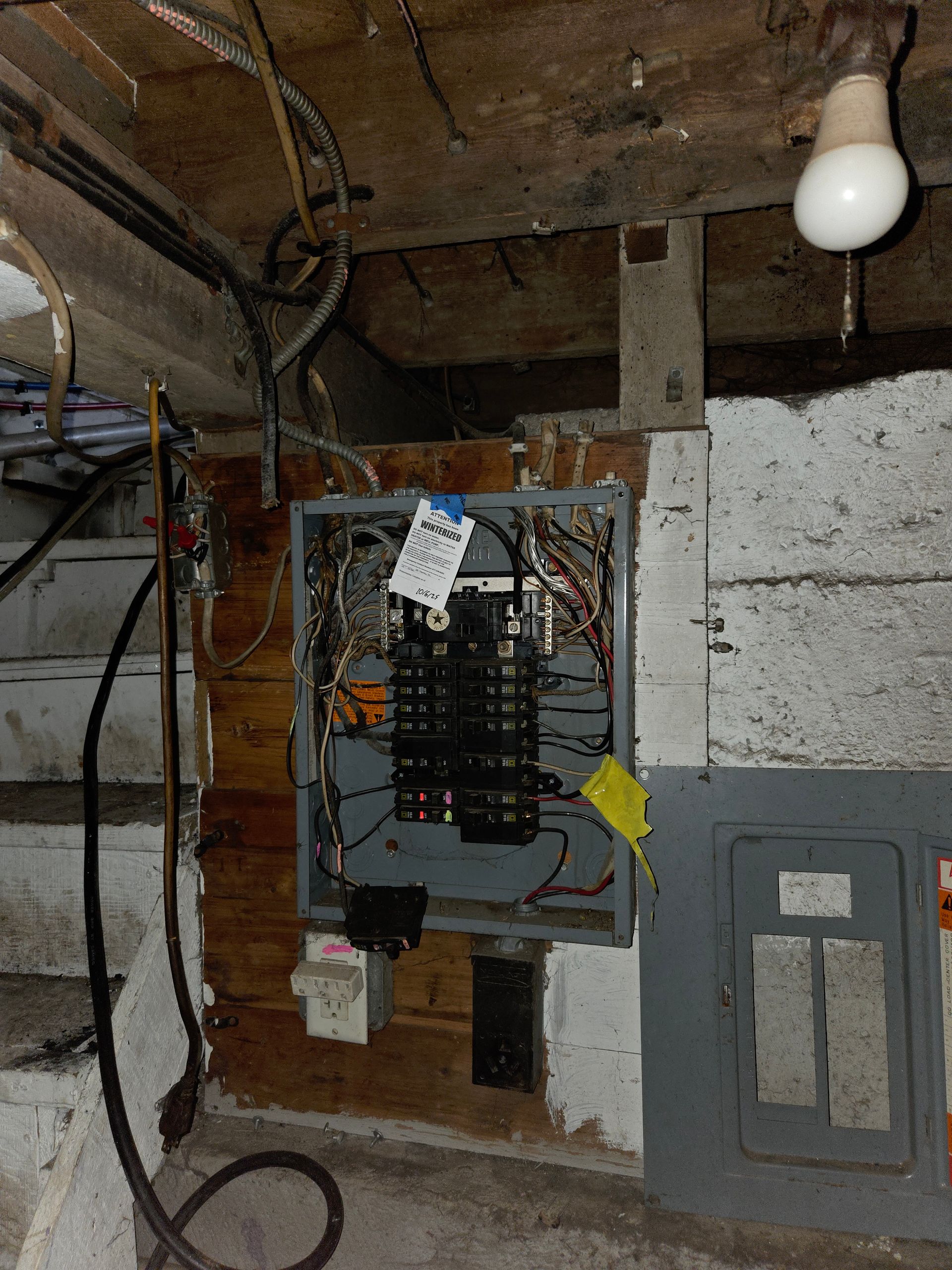
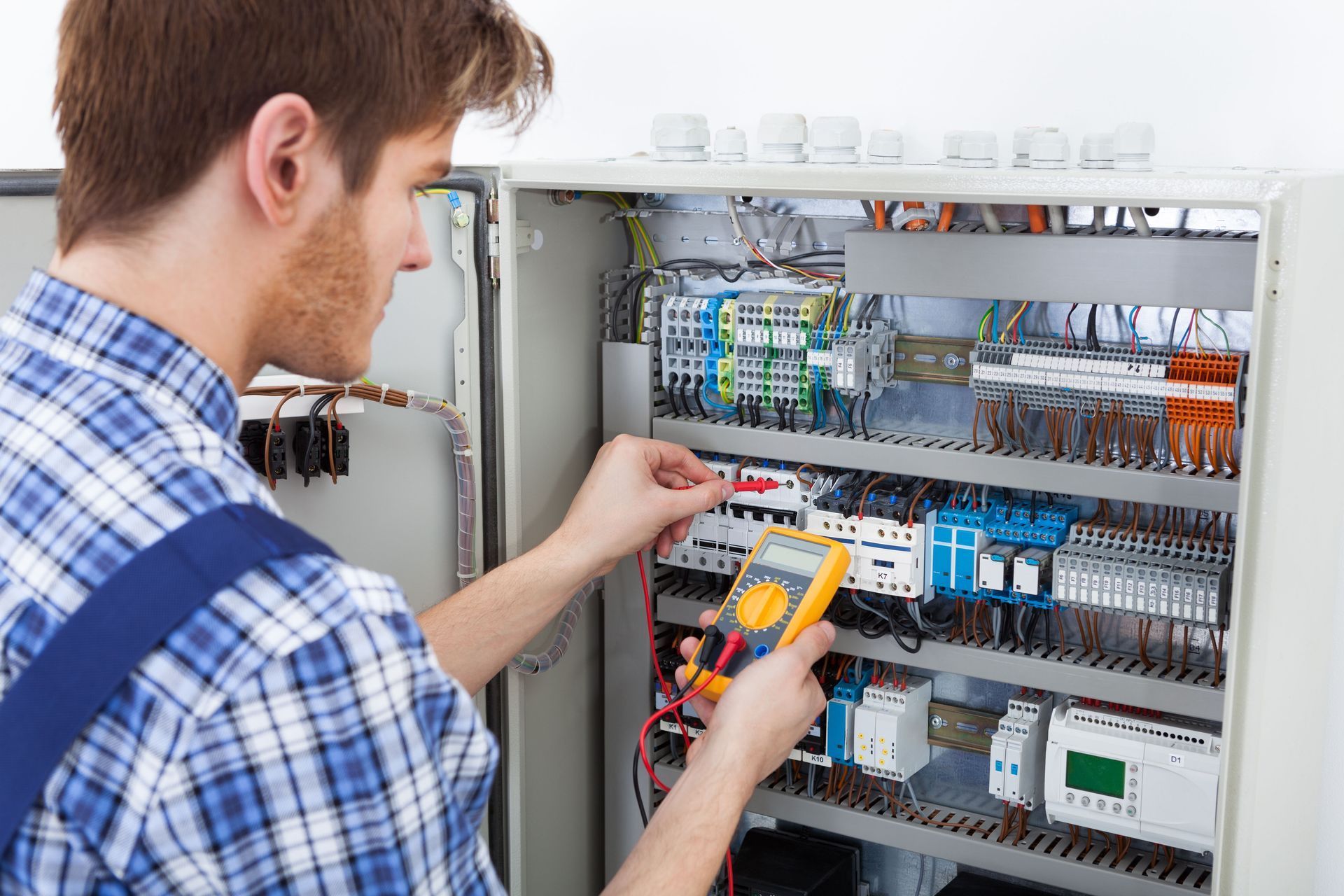
An electrical panel must have sufficient capacity to support a new EV charger alongside existing household appliances. Older homes or properties with heavily loaded panels may require additional electrical work before installation can proceed. An electrician can assess the panel, existing circuits, and overall electrical demand to identify potential limitations. This evaluation helps homeowners choose an appropriate charger without placing unnecessary strain on their electrical systems. An electrical assessment is an important first step in planning EV home charger installation services for an existing property.
Understanding Equipment and Labor Expenses
Installation costs depend on the charger selected, the distance between the electrical panel and charging location, wiring requirements, and whether upgrades are necessary. According to Car and Driver, EV charging equipment has an average upfront cost of between $400 and $700. This figure covers equipment rather than the entire installation project, so homeowners should also account for professional labor and any required electrical improvements. Obtaining an assessment before purchasing equipment can provide a clearer picture of the overall budget.
Considering Load Management Options
Load management technology can help balance EV charging with other household electrical demands. Depending on the system, charging may be adjusted automatically when major appliances are operating. This approach can help some homes accommodate charging without immediately requiring a service upgrade. A qualified electrician can determine whether load management is appropriate for the property's electrical configuration and expected usage.
Comparing Garage and Outdoor Locations
Installing a Charger Inside the Garage
A garage often provides a convenient location because the charger remains protected from rain, snow, and direct sunlight. Indoor placement can also reduce exposure to unauthorized access and keep charging equipment close to a regularly parked vehicle. However, available wall space, vehicle dimensions, storage shelves, and the position of the electrical panel all affect placement. The charger should remain accessible without obstructing doors, walkways, or other garage activities.
Positioning a Charger Along the Driveway
Driveway installations can work well for homeowners who park outside or have limited garage space. The charger should be positioned so its cable reaches the vehicle comfortably without crossing busy walkways or creating a tripping hazard. Homeowners should also consider how the equipment will be protected from vehicle impacts and unauthorized access. Careful planning helps create an outdoor charging area that remains practical during everyday use.
Accounting for Weather Exposure
Outdoor chargers must be designed for their intended environment. Equipment ratings, installation instructions, mounting methods, and local electrical requirements all influence whether a particular unit is suitable for an exposed location. Rain, snow, humidity, and temperature extremes can affect charging equipment if it is not installed appropriately. Professional EV home charger installation services can help homeowners select a suitable location and ensure the installation accounts for environmental exposure.
Planning for Accessibility and Safety
Choosing a Convenient Mounting Position
The best mounting position allows drivers to connect their vehicles without stretching cables or repeatedly repositioning their cars. Before installation, consider where the charging port sits on the vehicle and how the car typically enters the parking area. Leave enough clearance for doors, storage, and pedestrian movement. Proper cable management also helps keep the space organized and reduces the risk of accidental damage.
Following Electrical and Local Requirements
EV charger installations must meet applicable electrical codes and manufacturer specifications. Depending on the property and location, permits or inspections may also be required. Outdoor installations and changes to existing electrical service can involve additional considerations. Working with a qualified professional helps homeowners identify relevant requirements and address grounding, circuit protection, and wiring needs before charging begins.
Protecting the Charger and Surrounding Area
Placement can influence how well charging equipment withstands everyday use. Avoid locations where vehicles could strike the unit or where stored belongings could damage cables. Outdoor equipment may also need thoughtful positioning to reduce unauthorized access. Keeping cables secured and the area around the charger clear helps maintain a safer, more convenient charging environment.
Integrating Smart Charging and Future Technology
Using Scheduling and Energy Monitoring
Many smart chargers offer scheduling features, energy-use tracking, and remote control through compatible applications. These tools allow homeowners to set charging times around their routines and, where utility rates vary, potentially take advantage of lower electricity prices. Before choosing a unit, review its connectivity requirements and confirm that the necessary features work with your home network.
Coordinating Charging With Solar Power
Homeowners with solar panels may want a charger that can coordinate with their energy system. Compatible equipment may allow charging to align with available solar generation, depending on the system's capabilities. The electrical design should account for existing renewable energy equipment and household demand. Planning these connections before installation can make future integration easier.
Allowing for Future Upgrades
Charging technology and vehicle requirements can change over time. Selecting equipment with suitable capacity, useful connectivity features, and compatibility with anticipated needs may help avoid premature replacement. Homeowners planning renovations or additional vehicles should discuss those possibilities before finalizing the installation. Professional EV home charger installation services can help evaluate current requirements while accounting for reasonable future changes.
Choosing the Right Installation Location
The ideal EV charger location balances convenience, electrical capacity, equipment protection, and long-term flexibility. A garage may offer greater shelter, while a driveway can provide easier access for outdoor parking arrangements. The electrical panel, vehicle charging port, cable reach, and local requirements should all inform the final decision.
Before purchasing equipment, arrange an electrical evaluation to identify installation requirements and potential costs. Jeske Electric Inc can help homeowners assess their electrical needs and plan a suitable charging setup. Contact the team to discuss EV home charger installation services and determine the right approach for your property.